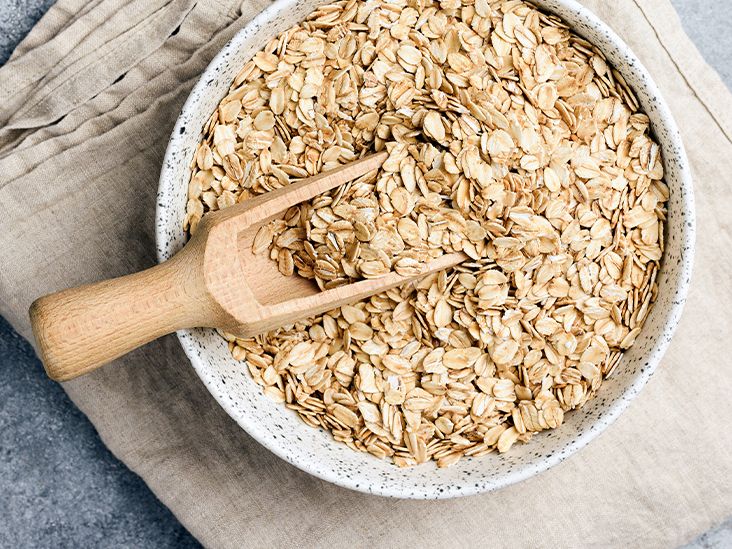
Unlocking the Potential: Is Oatmeal Good for Weight Loss?
For anyone embarking on a weight loss journey, the quest for satisfying, healthy, and effective foods is perpetual. Among the myriad options, oatmeal frequently emerges as a highly recommended breakfast staple. But beyond its comforting warmth and versatility, a crucial question remains:
is oatmeal good for weight loss? The simple answer is a resounding yes, provided it's prepared and consumed thoughtfully. Rich in essential nutrients and boasting properties that directly support weight management, oatmeal can be a powerful ally in achieving your health goals. Let's delve into the science-backed reasons why this humble grain deserves a spot on your weight loss menu and how to maximize its benefits.
The Nutritional Powerhouse: How Oatmeal Supports Weight Loss
Oatmeal isn't just a simple carbohydrate; it's a complex food brimming with components that actively contribute to satiety, energy regulation, and overall digestive health – all critical factors in successful weight loss.
Fiber-Rich Satiety: Staying Fuller, Longer
One of oatmeal's most celebrated attributes is its high fiber content, particularly a soluble fiber known as
beta-glucan. When mixed with water in your digestive system, beta-glucan forms a thick, gel-like substance. This slows down the emptying of your stomach, leading to a prolonged feeling of fullness and satisfaction.
Imagine starting your day with a meal that keeps hunger pangs at bay for hours. This sustained satiety is incredibly valuable for weight loss, as it naturally reduces the urge to snack unnecessarily between meals. Studies have consistently shown that individuals who consume fiber-rich breakfasts like oatmeal tend to feel more satisfied and are less likely to overeat later in the day compared to those who opt for less fibrous alternatives. This crucial mechanism helps you adhere to a calorie-controlled diet without feeling deprived.
Stabilizing Blood Sugar and Curbing Cravings
The glycemic index (GI) is a measure of how quickly a food causes your blood sugar levels to rise. High-GI foods lead to rapid spikes and subsequent crashes, often triggering intense cravings and feelings of hunger shortly after eating. Oatmeal, especially varieties made from steel-cut or rolled oats, boasts a low glycemic index. This means it delivers a slow, steady release of glucose into your bloodstream.
This gradual energy supply helps stabilize blood sugar levels, preventing the dramatic peaks and valleys that can lead to energy slumps and intense cravings for sugary or high-carb snacks. By keeping your blood sugar in check, oatmeal empowers you to make more mindful food choices throughout the day, significantly reducing the likelihood of impulsive overeating driven by unstable blood sugar.
Nurturing Gut Health for Better Weight Management
Beyond its role in satiety and blood sugar control, the fiber in oatmeal plays a vital part in maintaining a healthy digestive system. It acts as a prebiotic, feeding the beneficial bacteria in your gut. A thriving gut microbiome is increasingly linked to overall health, including weight management.
Regular fiber intake from oatmeal promotes healthy bowel movements, preventing constipation which can often be a side effect of dietary changes. Furthermore, preliminary research suggests that a balanced gut flora, supported by fiber-rich foods, may play a protective role against obesity by influencing metabolism and how the body stores fat. While more human research is needed to fully understand these intricate connections, supporting your gut health with foods like oatmeal is a proactive step towards a healthier weight.
Navigating the Pitfalls: What to Watch Out For
While oatmeal is undeniably beneficial for weight loss, its preparation is paramount. The way you choose to serve your oats can drastically alter their nutritional value and potentially sabotage your weight loss efforts.
The Hidden Dangers of Added Sugars and Flavors
Many commercially available instant oatmeal packets, while convenient, are often laden with added sugars and artificial flavorings. A single packet can contain 12 grams or more of added sugar – empty calories that provide no nutritional benefit and can quickly add up, hindering your progress. Diets high in added sugar are also associated with an increased risk of heart disease and other health issues, making them detrimental beyond just weight gain. Always make it a habit to check nutrition labels diligently.
Calorie-Dense Toppings and Portion Control
Another common pitfall lies in the choice of toppings. While additions like brown sugar, maple syrup, dried fruit, or excessive amounts of granola can certainly enhance flavor, they can also dramatically increase the total calorie count of your oatmeal bowl. Even seemingly healthy toppings, when consumed in large quantities, can turn a weight-loss-friendly meal into a calorie bomb.
Mindful portion control is critical. A standard serving of cooked oats is typically around one cup, which provides approximately 150 calories. It's easy to exceed this, especially with larger bowls or generous pours. Be conscious of your serving sizes for both the oats themselves and any added ingredients to ensure your oatmeal remains a tool for weight loss, not a hidden source of excess calories.
Maximizing Your Oatmeal for Weight Loss: Practical Strategies
To truly harness the power of oatmeal for your weight loss journey, strategic preparation and smart additions are key.
Smart Oat Choices and Flavor Enhancements
The best approach is to opt for unflavored, plain oats. Steel-cut oats offer the chewiest texture and lowest GI, while rolled oats are quicker to cook and still excellent. Even plain instant oats are a better choice than their sugary counterparts.
To add flavor without adding unwanted calories, get creative with natural enhancers:
*
Spices: Cinnamon, nutmeg, and cardamom add warmth and depth.
*
Extracts: A few drops of vanilla or almond extract can elevate the taste.
*
Fresh Fruit: Berries, sliced apples, or peaches provide natural sweetness, vitamins, and additional fiber.
*
Low-Calorie Sweeteners: A dash of stevia or erythritol can provide sweetness if needed.
Boosting Satiety with Protein and Healthy Fats
While oatmeal contains some protein, it's not considered a high-protein food on its own. To create a truly balanced meal that maximizes satiety and keeps you full even longer, incorporating additional protein and healthy fats is essential. Protein and fat work synergistically to further stabilize blood sugar and extend feelings of fullness.
Consider these additions:
*
Dairy/Alternatives: A scoop of Greek yogurt, cottage cheese, or a splash of unsweetened soy/almond milk.
*
Seeds: Chia seeds, flax seeds, or hemp seeds are packed with fiber, omega-3s, and protein.
*
Nuts/Nut Butter: A small handful of almonds, walnuts, or a teaspoon of natural peanut or almond butter (watch portions!).
*
Eggs: Stir in egg whites while cooking, or top your bowl with a soft-boiled or fried egg.
For more in-depth strategies on meal planning with oats, you might find valuable insights in our article,
is oatmeal good for weight loss - Article 2.
Beyond Sweet: Exploring Savory Oatmeal Options
Don't limit oatmeal to just a sweet breakfast. Savory oatmeal is a delicious and often more protein-rich alternative that can be enjoyed at any meal.
* Cook oats with vegetable broth instead of water.
* Stir in sautéed spinach, mushrooms, or other non-starchy vegetables.
* Top with a fried or poached egg, a sprinkle of cheese, or a few slices of avocado.
* Add herbs and spices like black pepper, turmeric, or a dash of hot sauce for an extra kick.
The Power of Preparation and Planning
Successful weight loss often hinges on consistent healthy choices. Preparing your oatmeal ahead of time, such as making overnight oats, can be a game-changer for busy mornings. Starting your day with a healthy, prepped meal reduces the likelihood of impulsive, less healthy choices later on. For more ideas on how to seamlessly integrate oats into various dietary plans, consider reading
is oatmeal good for weight loss - Article 3.
Conclusion
So,
is oatmeal good for weight loss? Absolutely, when approached with knowledge and intention. Its unique combination of soluble fiber for sustained fullness, low glycemic index for stable blood sugar, and gut-health-promoting properties makes it an exceptional food for anyone looking to manage their weight. By choosing plain oats, being mindful of added sugars and high-calorie toppings, and strategically incorporating protein and healthy fats, oatmeal can become a cornerstone of a successful and satisfying weight loss diet. Embrace the versatility of this humble grain and unlock its full potential on your journey to a healthier you.