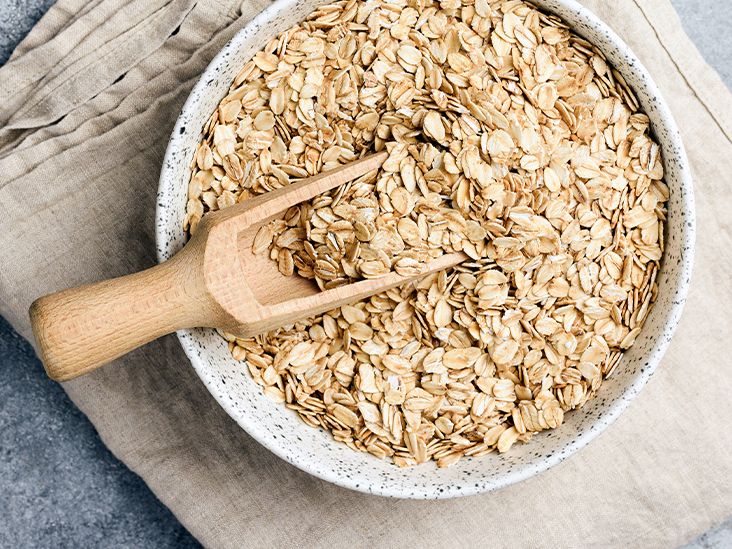
Is Oatmeal Good for Weight Loss? Unlocking Its Full Potential
The quest for effective and sustainable weight loss often leads us back to basics, examining everyday foods for their health benefits. Among the most revered breakfast staples, oatmeal frequently comes up in discussions about dietary strategies for shedding pounds. But is oatmeal good for weight loss, truly? The answer, unequivocally, is yes – but with crucial caveats regarding preparation and portion control. When integrated thoughtfully into your diet, oatmeal can be a powerful ally in achieving your health and weight management goals, offering a potent blend of fiber, essential nutrients, and sustained energy.
The Weight Loss Power of Oatmeal: More Than Just a Meal
Oatmeal's reputation as a weight-loss friendly food isn't just anecdotal; it's backed by science. Its unique nutritional profile contributes to satiety, stable blood sugar, and a healthy digestive system, all pivotal factors in successful weight management. Understanding these mechanisms is key to harnessing its full potential.
Sustained Satiety Through Fiber Power
One of the primary reasons oatmeal is good for weight loss lies in its exceptional fiber content, particularly a soluble fiber called beta-glucan. When consumed, beta-glucan mixes with water in your digestive tract to form a thick, gel-like substance. This gel slows down the emptying of your stomach, creating a prolonged feeling of fullness. Imagine a slow-release energy capsule for your stomach; that's essentially what beta-glucan does.
- Reduces Snacking: By keeping you satisfied for longer, oatmeal significantly reduces the likelihood of mid-morning snacking or overeating at your next meal. A study, for instance, highlighted that individuals consuming oatmeal for breakfast reported greater satiety and were less inclined to snack compared to those who started their day with only fruit.
- Manages Cravings: The consistent feeling of fullness helps to curb impulsive cravings, especially for high-sugar or high-fat comfort foods that often derail weight loss efforts.
- Calorie Control: Feeling fuller naturally leads to consuming fewer calories overall throughout the day, which is the fundamental principle of weight loss.
Stabilizing Blood Sugar for Cravings Control
Another significant benefit of oatmeal, especially varieties like steel-cut or rolled oats, is its low glycemic index (GI). The glycemic index measures how quickly a food causes your blood sugar levels to rise. Foods with a high GI can lead to rapid spikes and subsequent crashes in blood sugar, triggering increased hunger and cravings, particularly for sugary items.
Oatmeal, with its slow carbohydrate digestion, provides a gradual, steady release of glucose into your bloodstream. This stability helps to:
- Prevent Energy Crashes: You avoid the sudden dips in energy that often prompt reaching for quick-fix snacks.
- Curb Cravings: Stable blood sugar levels mean stable insulin levels, which prevents the hormonal signals that drive intense hunger and cravings for refined carbohydrates.
- Reduce Fat Storage: Consistent high blood sugar and insulin can promote fat storage. By keeping these levels even, oatmeal indirectly supports your body in burning fat rather than storing it.
Gut Health: A Silent Partner in Weight Management
Beyond satiety and blood sugar control, the fiber in oatmeal plays a crucial role in maintaining a healthy digestive system. Both soluble and insoluble fibers work synergistically: soluble fiber (beta-glucan) forms the gel, while insoluble fiber adds bulk to stool, promoting regular bowel movements and preventing constipation. A well-functioning digestive system is vital for overall health and nutrient absorption.
Furthermore, the fiber in oatmeal acts as a prebiotic, feeding the beneficial bacteria in your gut microbiome. Emerging research highlights a strong connection between a diverse and healthy gut flora and a healthier metabolism, potentially influencing body weight and protecting against obesity. While more human studies are always underway to fully understand these complex interactions, supporting your gut health with fiber-rich foods like oatmeal is undeniably a smart move for your overall well-being and, by extension, your weight management journey.
Common Oatmeal Pitfalls That Can Derail Your Goals
While the answer to "is oatmeal good for weight loss?" is positive, the way you prepare it can drastically alter its nutritional profile and impact on your waistline. Without mindful preparation, even a healthy food like oatmeal can become a calorie and sugar bomb.
The Hidden Sugar Trap
Many pre-packaged, flavored instant oatmeal options are laden with added sugars. A single packet can contain as much as 12 grams or more of added sugar, easily equating to several teaspoons of sugar. These added sugars contribute empty calories without offering any significant nutritional benefit, negating many of oatmeal's inherent advantages. A diet high in added sugars can also contribute to blood sugar rollercoasters, increased cravings, and an elevated risk of heart disease and other chronic conditions.
Toppings That Pack a Calorie Punch
While toppings can enhance flavor and provide additional nutrients, many popular choices can significantly increase the total calorie count of your oatmeal bowl. Think about spoonfuls of brown sugar, drizzles of maple syrup, generous portions of high-sugar granola, or an abundance of dried fruit. While dried fruit offers fiber and vitamins, its concentrated sugar content and smaller volume can lead to overconsumption of calories without the same feeling of fullness as fresh fruit.
Mastering Portion Control
Even healthy foods, when consumed in excess, can lead to weight gain. Oatmeal is no exception. A typical serving of cooked oats is around 1 cup (made from about 1/2 cup dry oats), which averages around 150-200 calories before any additions. It's easy to accidentally double or triple this portion, especially when not measuring, thereby consuming significantly more calories than intended. Maintaining a calorie deficit is fundamental for weight loss, and portion control is a critical component of that.
Crafting Your Weight Loss-Friendly Oatmeal Bowl
With a few strategic choices, you can transform your oatmeal into a truly effective weight-loss tool. The goal is to maximize its natural benefits while minimizing unnecessary calories and sugars. To dive deeper into the science behind fiber and satiety, check out is oatmeal good for weight loss - Article 1.
Smart Oat Choices and Flavor Enhancers
The foundation of a weight loss-friendly oatmeal bowl is the oats themselves. Always opt for unflavored, plain varieties such as steel-cut, rolled, or even plain instant oats. These choices provide the whole-grain goodness and fiber without the hidden sugars. To add flavor without derailing your goals, reach for:
- Spices: Cinnamon, nutmeg, and cardamom add warmth and natural sweetness.
- Extracts: A dash of vanilla or almond extract can elevate the taste.
- Fresh Fruit: Berries (strawberries, blueberries, raspberries) and sliced apples or bananas provide natural sweetness, vitamins, antioxidants, and additional fiber for minimal calories.
- Low-calorie sweeteners: If you need a bit more sweetness, a small amount of stevia or monk fruit sweetener can be used.
Boost Satiety with Protein and Healthy Fats
While oatmeal offers some protein, it's not considered a high-protein food on its own. To create a truly balanced meal that maximizes satiety and keeps blood sugar stable, incorporating protein and healthy fats is crucial. These macronutrients slow digestion even further and send powerful signals of fullness to your brain.
- Protein Additions: A scoop of Greek yogurt, a tablespoon of chia seeds or ground flaxseeds, a spoonful of nut butter (almond, peanut, cashew), a scoop of protein powder, or even egg whites cooked into your oats can significantly boost the protein content.
- Healthy Fats: Beyond nut butters, a sprinkle of chopped nuts (walnuts, pecans, almonds) or a few slices of avocado (yes, in savory oatmeal!) provide essential fatty acids that contribute to satiety and overall health.
Creative & Savory Oatmeal Ideas
Don't limit oatmeal to just sweet preparations! Savory oatmeal bowls are gaining popularity and offer a fantastic way to enjoy oats for lunch or dinner, or simply if you prefer a less sugary start to your day. This approach also naturally steers you away from high-sugar toppings.
- Vegetable Power: Sautéed spinach, mushrooms, or diced bell peppers can be stirred in.
- Egg-cellent Addition: A soft-boiled, poached, or fried egg on top adds a creamy texture and a significant protein boost.
- Herbs and Spices: Fresh chives, parsley, a pinch of black pepper, or a dash of hot sauce can transform the flavor.
- Cheese: A light sprinkle of Parmesan or a low-fat cheese can add a savory kick.
Strategic Portioning and Volume Boosting
Remember that a half-cup of dry oats is generally an appropriate serving size for weight loss. If you find this volume insufficient, don't just add more oats. Instead, boost the volume with low-calorie, high-fiber foods:
- Extra Water or Unsweetened Milk: Cooking oats with more liquid creates a larger, more satisfying bowl without adding calories.
- Berries and Chopped Apples: These fruits are excellent for adding bulk, sweetness, and nutrients while remaining low in calories.
- Vegetables: As mentioned in savory options, vegetables can significantly increase the volume of your meal.
Integrating Oatmeal into a Holistic Weight Loss Journey
While oatmeal is good for weight loss, it's essential to remember that it's just one piece of a larger puzzle. Sustainable weight loss is achieved through a holistic approach that includes a balanced diet, regular physical activity, adequate sleep, and stress management.
By making smart choices about your oatmeal and integrating it into an overall healthy eating pattern, you empower yourself with a nutrient-dense, satisfying meal that supports your body in multiple ways. Consistency is key, and the small, deliberate choices you make each day accumulate into significant progress over time. For more practical recipes and meal planning strategies, explore is oatmeal good for weight loss - Article 2.
Conclusion: Oatmeal stands out as a genuinely beneficial food for those aiming to lose weight, provided it's prepared mindfully. Its rich fiber content, particularly beta-glucan, promotes long-lasting satiety and helps stabilize blood sugar, effectively managing cravings and reducing overall calorie intake. Furthermore, its contribution to gut health adds another layer to its weight loss credentials. By sidestepping sugary instant options and calorie-dense toppings in favor of whole, unsweetened oats paired with protein, healthy fats, and natural flavorings, you transform a simple breakfast into a powerful tool for achieving your weight management goals. Embrace oatmeal as a cornerstone of your healthy lifestyle, and you'll discover a satisfying and effective path toward a healthier you.
