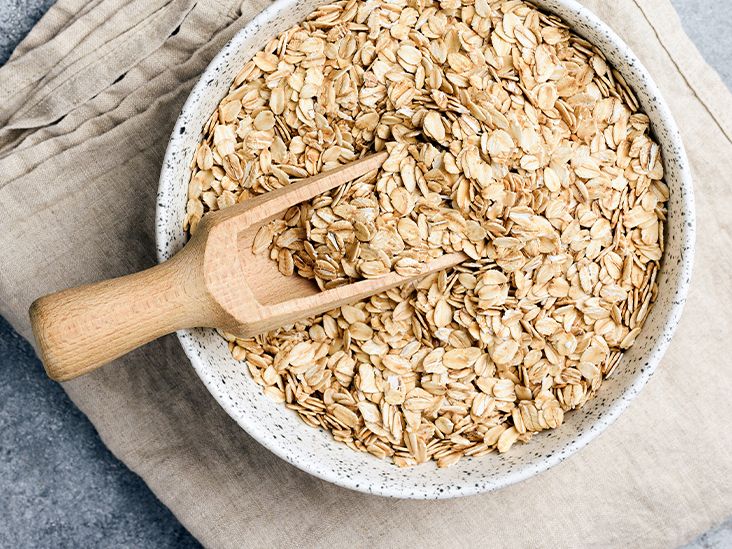
Unlocking the Potential: Is Oatmeal Good for Weight Loss?
In the quest for effective and sustainable weight management, many turn to traditional breakfast staples, and oatmeal often emerges as a top contender. But the question remains: is oatmeal good for weight loss? The answer, unequivocally, is yes – when prepared thoughtfully. Far from being a bland diet food, oatmeal, derived from whole oats, is a powerhouse of nutrients that can significantly support your weight loss journey. Its unique composition helps keep you feeling fuller for longer, stabilizes energy levels, and promotes overall digestive health, all crucial elements for shedding unwanted pounds.
This article delves into the specific mechanisms by which oatmeal can be a valuable ally in your weight loss efforts, while also providing practical tips to ensure your bowl of oats contributes positively to your goals. For a broader perspective on this topic, you might also want to explore is oatmeal good for weight loss - Article 1.
The Power of Oats: How Oatmeal Aids Weight Loss
Oatmeal's reputation as a healthy food is well-deserved, especially when it comes to managing your weight. Its beneficial properties stem from a combination of factors that work synergistically to support a healthy metabolism and curb overeating.
Fiber-Rich Satiety: The Beta-Glucan Advantage
One of the primary reasons is oatmeal good for weight loss is its exceptional fiber content, particularly a soluble fiber known as beta-glucan. When consumed, beta-glucan mixes with water in your digestive system, forming a thick, gel-like substance. This gel slows down the emptying of your stomach, meaning you feel full and satisfied for a longer period after eating. The prolonged feeling of satiety naturally reduces the likelihood of impulsive snacking between meals, thus helping you manage your overall calorie intake.
Studies have consistently shown that incorporating fiber-rich foods like oatmeal into your breakfast can lead to greater satisfaction and a reduced desire for subsequent snacks compared to less fibrous alternatives. This sustained fullness is a cornerstone of effective weight management.
Steady Energy, Stable Blood Sugar: Curbing Cravings
Another crucial benefit that makes oatmeal excellent for weight loss is its impact on blood sugar levels. Foods are often ranked by their glycemic index (GI), a measure of how quickly they cause blood sugar to rise. Oatmeal made from steel-cut or traditional rolled oats has a low glycemic index. This means it provides a slow, steady release of glucose into your bloodstream, preventing the sharp spikes and subsequent crashes that often lead to intense cravings and energy slumps.
By stabilizing blood sugar, oatmeal helps to regulate appetite hormones and reduces the urge to reach for high-sugar, high-fat snacks. This consistent energy supply also supports better focus and prevents the fatigue that can undermine motivation for physical activity, further aiding your weight loss journey.
Gut Health Guardian: Supporting a Healthy Metabolism
The fiber in oatmeal doesn't just keep you full; it also plays a vital role in supporting a healthy digestive system. Regular bowel movements are essential for overall well-being, and oatmeal's fiber content contributes significantly to this. Furthermore, the insoluble fiber acts as a prebiotic, nourishing the beneficial bacteria in your gut microbiome.
An increasingly robust body of research suggests a strong link between a diverse and healthy gut microbiome and better metabolic health, including protection against obesity. While more human studies are always emerging to solidify these connections, the digestive benefits of oatmeal are undeniable and indirectly support a healthier weight.
Navigating the Oatmeal Landscape: What to Watch Out For
While the inherent qualities of oats are beneficial, the way you prepare and consume oatmeal can drastically impact its effectiveness for weight loss. Understanding potential pitfalls is key to leveraging its benefits.
The Hidden Traps: Added Sugars and Calorie-Dense Toppings
One of the biggest mistakes people make when incorporating oatmeal into a weight loss diet is unknowingly adding excessive calories, particularly from sugar. Many commercially flavored instant oatmeal packets are loaded with added sugars, sometimes as much as 12 grams or more per serving, often alongside artificial flavors. These sugars contribute empty calories without nutritional value and can negate oatmeal's blood sugar-stabilizing benefits, potentially leading to increased cravings and fat storage.
Similarly, while toppings can enhance flavor and nutrition, many popular choices can quickly turn a healthy bowl of oats into a calorie bomb. Consider brown sugar, maple syrup, honey, high-sugar granola, or excessive amounts of dried fruit. While dried fruit offers nutrients, its concentrated sugar content can add up quickly. It's crucial to be mindful of these additions.
Portion Control: Finding Your Sweet Spot
Even healthy foods contain calories, and oatmeal is no exception. Overeating, even nutritious foods, can hinder weight loss. A common serving size for cooked oatmeal is about 1 cup, which typically equates to around 150 calories from the oats themselves. This portion provides a good base, leaving room for nutrient-dense, lower-calorie additions without pushing you over your calorie goals. Starting with about a half cup of dry oats is a good general guideline to ensure you're getting enough, but not too much, before adding other ingredients.
Crafting Your Weight Loss Oatmeal: Practical Strategies
To maximize oatmeal's weight loss potential, thoughtful preparation is essential. Here are actionable tips to make your oatmeal a delicious and effective part of your diet:
Smart Oat Choices and Flavor Enhancements
- Choose Unflavored Oats: Always opt for plain, unsweetened varieties. Steel-cut oats, rolled oats (old-fashioned), and even plain instant oats offer similar nutritional benefits, primarily whole grains and fiber, without the added sugar. Steel-cut oats have the lowest glycemic index due to their minimal processing.
- Natural Flavorings: Instead of refined sugar, flavor your oatmeal with natural, low-calorie options. Think warm spices like cinnamon, nutmeg, or cardamom. A splash of vanilla extract or a squeeze of fresh lemon juice can also add brightness. Fresh berries (strawberries, blueberries, raspberries) or chopped apples provide natural sweetness, fiber, and essential vitamins without excessive calories.
Boosting Nutritional Balance: Protein and Healthy Fats
While oats contain some protein, they are not considered a high-protein food. To create a truly balanced meal that maximizes satiety and supports muscle maintenance, it's vital to add extra protein and healthy fats. These macronutrients further help stabilize blood sugar and extend feelings of fullness.
- Protein Power-Ups: Mix in a scoop of plain Greek yogurt, a sprinkle of cottage cheese, a tablespoon of chia seeds or flax seeds, a teaspoon of almond or peanut butter (watch portion sizes!), or even stir in some egg whites at the end of cooking for a virtually undetectable protein boost. A scoop of unflavored or vanilla protein powder can also work wonders.
- Healthy Fats: A small amount of healthy fats can enhance satiety and provide essential fatty acids. Examples include a few chopped nuts (almonds, walnuts), a tablespoon of chia or flax seeds, or a drizzle of natural nut butter.
Beyond Breakfast: Savory Oatmeal Inspirations
Don't limit oatmeal to sweet morning meals! Savory oatmeal can be an incredibly satisfying and nutrient-dense option for lunch or dinner, providing a refreshing twist while still delivering all the weight loss benefits. This approach can also reduce the temptation to add sugary toppings.
- Mediterranean Bowl: Cooked oats topped with sautéed spinach, sun-dried tomatoes, a poached or soft-boiled egg, a sprinkle of feta cheese, and a dash of black pepper.
- Asian-Inspired: Oats mixed with soy sauce (or tamari), ginger, green onions, and topped with a fried egg and a dash of sriracha.
- Veggie Delight: Incorporate roasted vegetables like mushrooms, bell peppers, or zucchini, alongside some herbs like parsley or cilantro.
Integrating Oatmeal into Your Lifestyle for Sustainable Results
Making oatmeal a consistent part of your routine can provide remarkable benefits for weight loss, but it's important to view it as one component of a larger healthy lifestyle. Consistency is key, so find ways to prepare oatmeal that you genuinely enjoy and can stick with long-term. Meal prepping your oats by cooking a large batch of steel-cut or rolled oats at the beginning of the week can save time and ensure you always have a healthy option ready. Pair your smart oatmeal choices with regular physical activity, adequate hydration, and sufficient sleep to create a holistic approach to weight management. Remember, no single food is a magic bullet, but when strategically integrated, foods like oatmeal can significantly pave the way for successful and sustainable weight loss.
For more insights and different perspectives on this topic, be sure to check out is oatmeal good for weight loss - Article 3.
Conclusion
So, is oatmeal good for weight loss? Absolutely. With its rich fiber content, ability to stabilize blood sugar, and support for gut health, oatmeal stands out as a highly effective and nutritious food for anyone aiming to shed pounds. However, its success hinges on mindful preparation and consumption. By choosing unflavored oats, controlling portions, and enriching your bowl with lean protein and healthy fats, you can transform this humble grain into a powerful ally in your weight management journey. Embrace oatmeal not just as a breakfast staple, but as a versatile and health-promoting food that can significantly contribute to your wellness goals.
